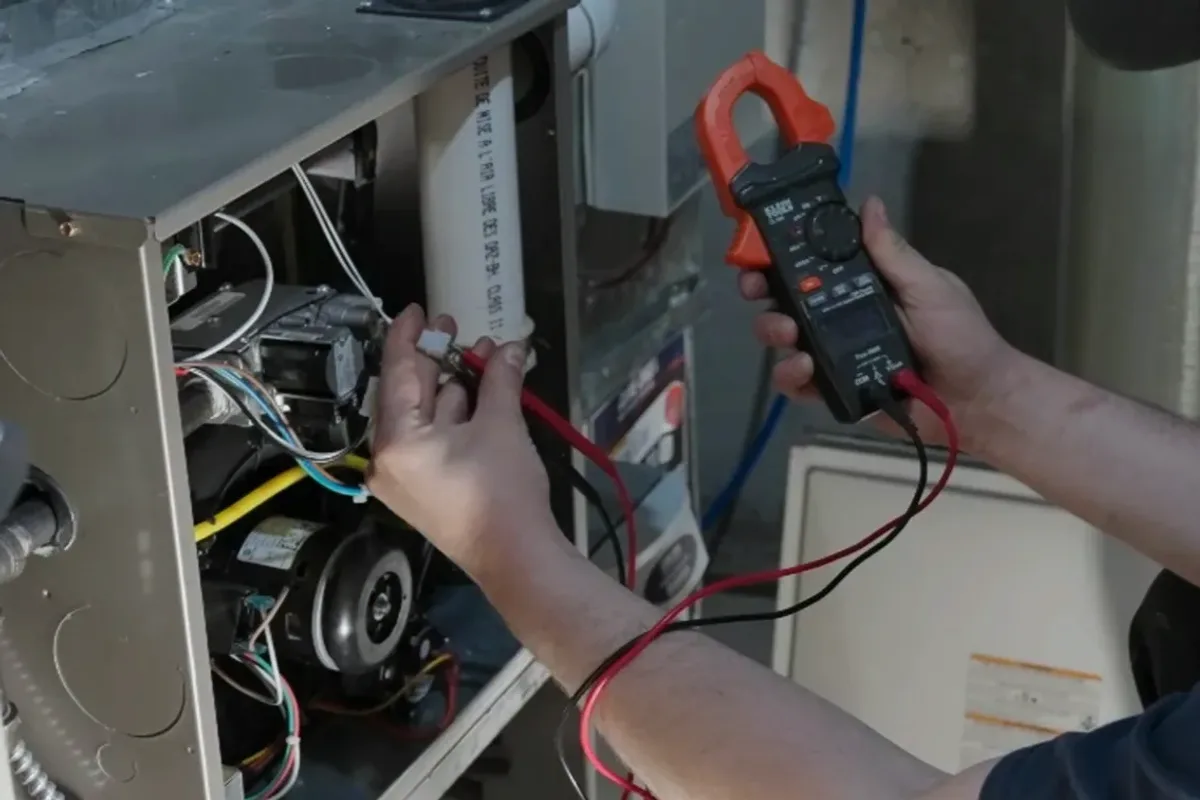
Are you reporting a furnace fault or considering replacement in Caledonia, Ontario? Separate a failure to ignite from a running furnace with weak heat or airflow. The fuel, equipment model, shutdown timing and repair history help frame inspection. Replacement planning is a separate comparison based on condition, parts and the proposed work.
Does the furnace fail to start, run without heating, or make a particular sound during startup or operation?
A furnace that runs without warming the rooms, stops starting, or makes a new sound can have several different causes. Diagnosis should distinguish an ignition or burner fault from a blower, control, or airflow problem because each points to different repair work. For a high-efficiency condensing furnace, inspection may also need to consider its venting and condensate drainage. Repair is appropriate when the fault is serviceable; replacement is a separate comparison if the furnace has substantial damage, unavailable parts, or repeated failures.
A useful assessment records the fuel type, furnace model, fault display if present, and when the problem occurs, such as startup or after sustained operation. The diagnosis should compare those observations with the ignition sequence, burner operation, blower response, and airflow. For a condensing model, venting and condensate findings can change the repair scope. Internal fuel and electrical checks require a qualified service professional.
Ignition and burner faults in gas, propane, and oil furnaces
Blower, control, airflow, and operating-noise diagnosis
Condensing-furnace venting and maintenance findings
Assessment and Scope
Questions for the Proposed Work
01
Separate ignition faults from airflow and blower faults
A furnace that does not establish a flame calls for a different investigation than one that lights but delivers weak airflow. For gas, propane, or oil equipment, the fuel and burner arrangement matter when assessing ignition and combustion-related components. If the furnace starts and then stops, operating records and the timing of the shutdown help distinguish a control issue from an airflow or safety-related interruption. Do not open the furnace or bypass a safeguard.
02
Use operating evidence to guide repair or replacement
Record whether rooms remain cold, the furnace runs unusually long, or a new boom, scrape, or rattle occurs, and note when each symptom appears. These details help narrow the fault without treating every noise or comfort complaint as the same repair. Once the failed component and condition are identified, compare repair with replacement using the equipment's age, condition, parts availability, and history of recurring faults, rather than assuming either option is preferable.
03
Base maintenance on the furnace and inspection findings
Maintenance should follow the furnace manufacturer's instructions and the findings from inspection, rather than a claim that one visit prevents breakdowns. Depending on the model and observed condition, inspection may include the filter and airflow path, burner area, ignition components, blower, controls, and venting. For a condensing furnace, condensate drainage is also relevant. A written record of observed wear or faults helps separate a needed repair from routine cleaning or adjustment.
Compare the next step
Keep the immediate repair quotation separate from an equipment selection for the renovated home. Ask what load information will be updated after insulation or window work and whether the retained distribution remains suitable. Record the renovation assumptions so a future bidder does not simply reproduce the previous furnace capacity.
Leave burner, fuel, venting, electrical, and internal equipment work to a qualified contractor. Do not bypass a safety switch or repeatedly reset a furnace.