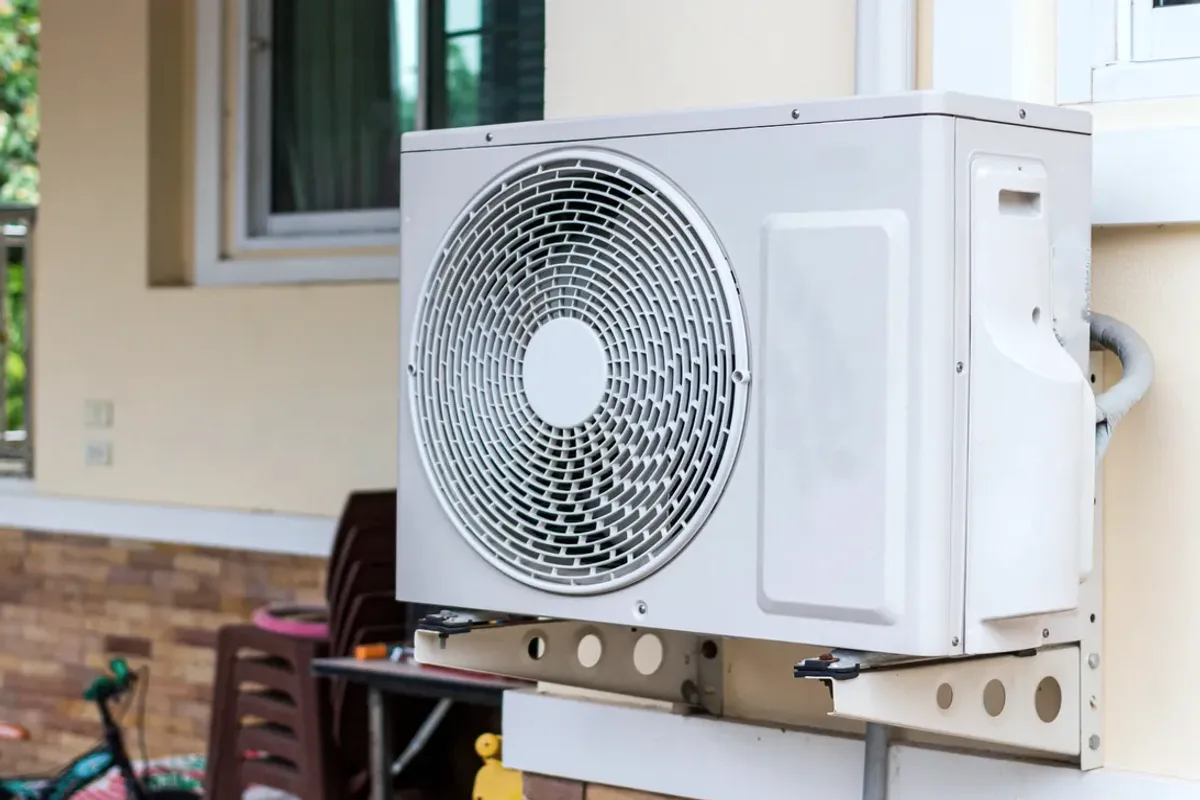
Request heat pump repair & installation for a property in Caledonia. Include the equipment, the problem or planned work, and your location so the request can be reviewed.
Does the heat pump fail in heating, cooling, or defrost operation, and is it a ducted or ductless system?
A heat pump that does not heat, cool, or complete a defrost cycle may have a different fault from one with uneven airflow or unusual noise. Diagnosis depends on whether the system is ducted air-to-air or a ductless mini-split, as well as its controls and operating history. Repair and replacement are separate decisions: a defined serviceable fault may support repair, while equipment condition, recurring problems, or installation requirements may justify comparing a replacement system.
Record the model, system arrangement, mode in which the fault appears, and any displayed status information. Compare the indoor and outdoor unit response, airflow, controls, drainage, and defrost behavior as relevant to that model. Refrigerant and internal electrical checks require qualified service. For replacement planning, the existing ductwork or ductless zoning, building heat-load information, and compatible controls affect equipment selection and installation scope.
Air-to-air and ductless mini-split heat pump faults
Heating, cooling, defrost, drainage, and refrigerant diagnosis
Replacement sizing, duct or zone compatibility, and installation planning
Assessment and Scope
Questions for the Proposed Work
01
Diagnose the fault in the operating mode where it occurs
A heat pump that cools normally but struggles in heating presents different evidence from a system that fails to start in either mode. The assessment should note when the fault occurs and whether the equipment is air-to-air with ducts or a ductless system. Defrost behavior, drainage, indoor airflow, controls, and equipment status can help narrow the issue. Refrigerant-circuit or internal electrical diagnosis is qualified service work; occupants should not open equipment or repeatedly reset it.
02
Compare a repair with a replacement installation
Repair is a distinct option when inspection identifies a specific fault and the system's overall condition supports continued operation. A replacement comparison should account for equipment condition, repair history, required capacity, and whether existing ducts or indoor-unit zones suit the proposed system. If replacing a ducted heat pump, duct condition and control compatibility influence the scope. For a ductless model, the number and placement of indoor units remain central to system selection.
03
Plan installation around the existing system and controls
Replacement planning begins with the building's heating and cooling requirements, not a universal equipment size. Existing ductwork, the placement of indoor and outdoor units, electrical requirements, and the control arrangement all affect installation. If a cold-climate model is being considered, compare its documented operating characteristics with the property's needs and intended use. Commissioning should verify operation in the relevant modes and follow the manufacturer's setup instructions.
Compare the next step
Request a load calculation that identifies completed upgrades and work still planned. Ask how the selected capacity, low-temperature performance, and supplementary heat relate to those assumptions. If construction is staged, discuss whether the proposed operating strategy remains appropriate between the first and final renovation phases.
Cold-climate capability does not prove that one model covers every home heating load. Ask how the selected equipment and supplementary heat meet the actual design requirements.